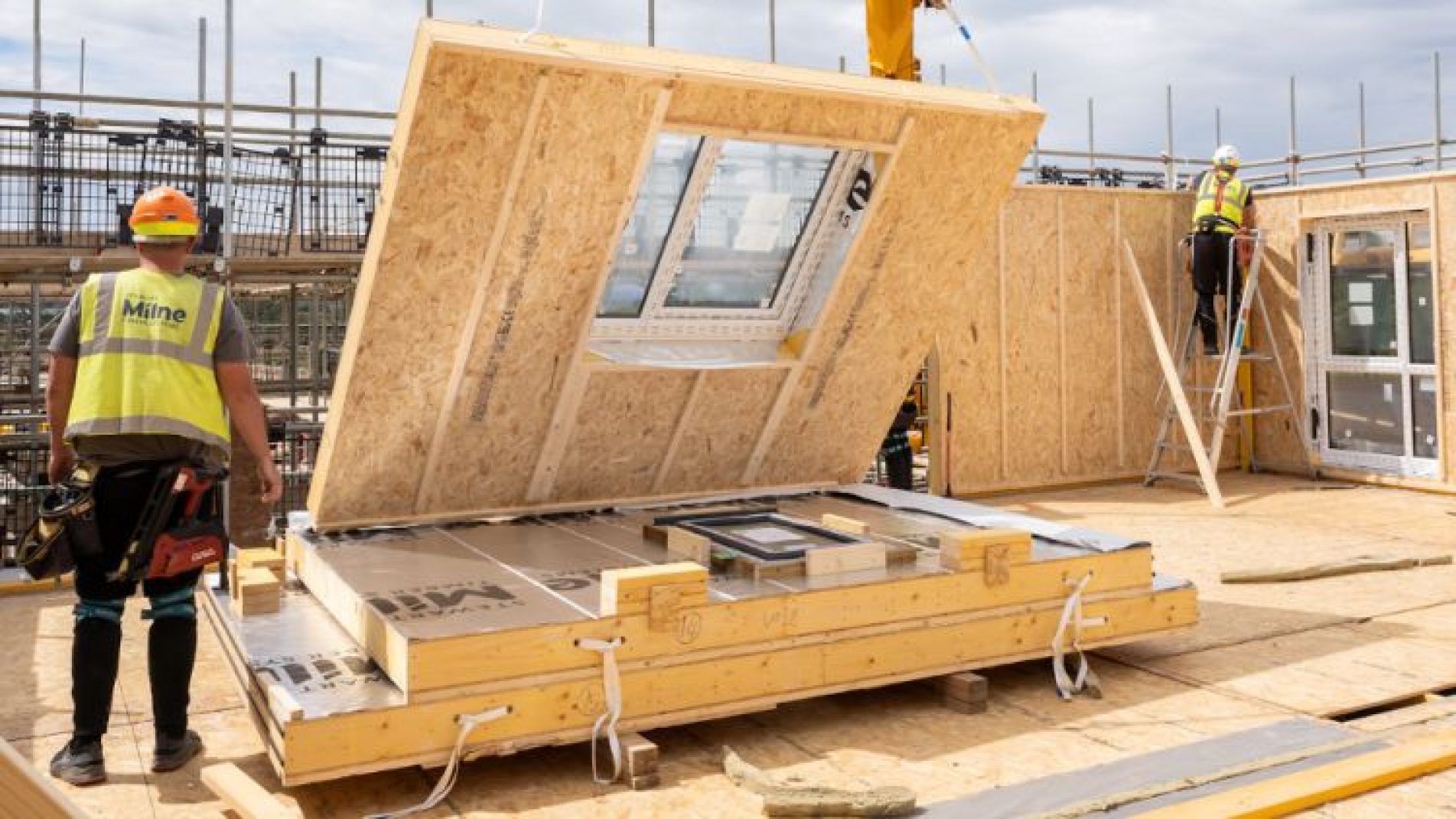
Innovation with Purpose: Can Technology and MMC Help Deliver the North West’s Growth?
If the first three discussions in our Question Time series explored planning, deliverability and skills, the next conversation naturally turned to innovation.
Technology and Modern Methods of Construction are often presented as the answer to many of the challenges facing the built environment. Increased productivity, improved quality, greater programme certainty and better collaboration are all regularly cited as the benefits.
However, one of the strongest messages from Poole Dick’s recent Question Time event was that technology should never become the objective in itself. Instead, it should help solve real-world challenges and support better project outcomes.
Across the Northwest, demand for new homes, infrastructure and regeneration continues to grow. At the same time, the industry is managing increasing cost pressures, labour shortages, programme uncertainty and rising client expectations. Against this backdrop, innovation has an important role to play.
Digital design, Building Information Modelling, artificial intelligence, digital twins and Modern Methods of Construction all have the potential to improve the way projects are planned, coordinated and delivered. They allow project teams to identify risks earlier, reduce waste, improve collaboration, and make more informed decisions throughout the project lifecycle.
Yet technology alone will not transform the industry.
“Innovation has to solve real problems, not simply introduce new processes.”
Rachel Poole
Rachel Poole’s contribution reflected a wider theme from the discussion. Successful innovation starts by understanding the challenge before selecting the solution. Every project is different, and no single technology or construction method will suit every client, site, or programme.
MMC, offsite manufacture and digital construction should therefore be viewed as part of a wider toolkit, rather than a universal answer. The discussion also returned to one of the key themes explored throughout the event: deliverability. Technology should help make projects simpler to coordinate, easier to manage, and more predictable to deliver.
It should reduce complexity rather than create it.
“Technology should make projects easier to deliver, not harder to understand.”
Angela Mansell
Angela Mansell reinforced the importance of maintaining a practical focus. Innovation only creates value when it supports better collaboration between clients, consultants, contractors, and supply chains.
Digital tools can improve communication, provide greater visibility across projects, and strengthen decision-making. However, they cannot replace experience, professional judgement, or strong working relationships. The conversation also highlighted that technology and skills are inseparable.
New systems, digital platforms, and innovative construction methods require organisations to invest in people just as much as software. Without confidence, training, and continuous learning, technology risks becoming underused rather than transformative.
“Technology and skills have to evolve together.”
Michele Steel
This links directly with the previous discussion around attracting and developing future talent. As the construction industry evolves, so too must the skills of the people working within it.
Organisations that encourage curiosity, invest in digital capability and create opportunities for continuous professional development will be far better placed to respond to future demands. Those that fail to evolve may find themselves struggling to meet client expectations in an increasingly digital industry.
As the session drew towards a close, Stewart Grant brought the conversation back to the wider purpose of innovation. Technology should never be adopted because it is fashionable. It should be adopted because it delivers better outcomes.
“The future belongs to organisations that combine innovation with practical delivery.”
Stewart Grant
That sentiment neatly captured the overall mood of the discussion. The Northwest has ambitious plans for housing, regeneration and infrastructure. Delivering those ambitions will require innovation, but innovation must remain grounded in practicality.
- Technology should support collaboration.
- MMC should improve productivity.
- Digital tools should enhance decision-making.
Ultimately, innovation is not about replacing people or changing construction for the sake of change. It is about giving people better tools to deliver better projects. Because the future of the built environment will not be defined by technology alone. It will be defined by how effectively people use innovation to create lasting value.
Empowering Clients: How Reinstatement Cost Assessments Enhance Confidence and Security in Construction Projects
Understanding how Reinstatement Cost Assessments (RCA) directly benefits clients is essential for delivering maximum value. This article explores the advantages of RCAs for portfolio holding…
Learn More

A-Z Sustainability Terminology Handout
Among the handouts that all our guests received at our net zero carbon event was our ‘A-Z Sustainability Terminology’ booklet. A guide, at a glance,…
Learn More
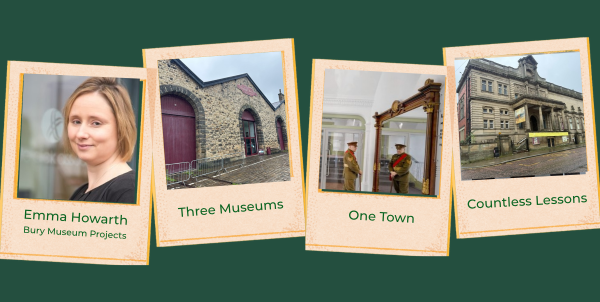
Three Museums, One Town, Countless Lessons
A Quantity Surveyor’s Reflection on Working Across Bury’s Museum Heritage by Emma Howarth As Quantity Surveyors, we often move from project to project, sector to…
Learn More