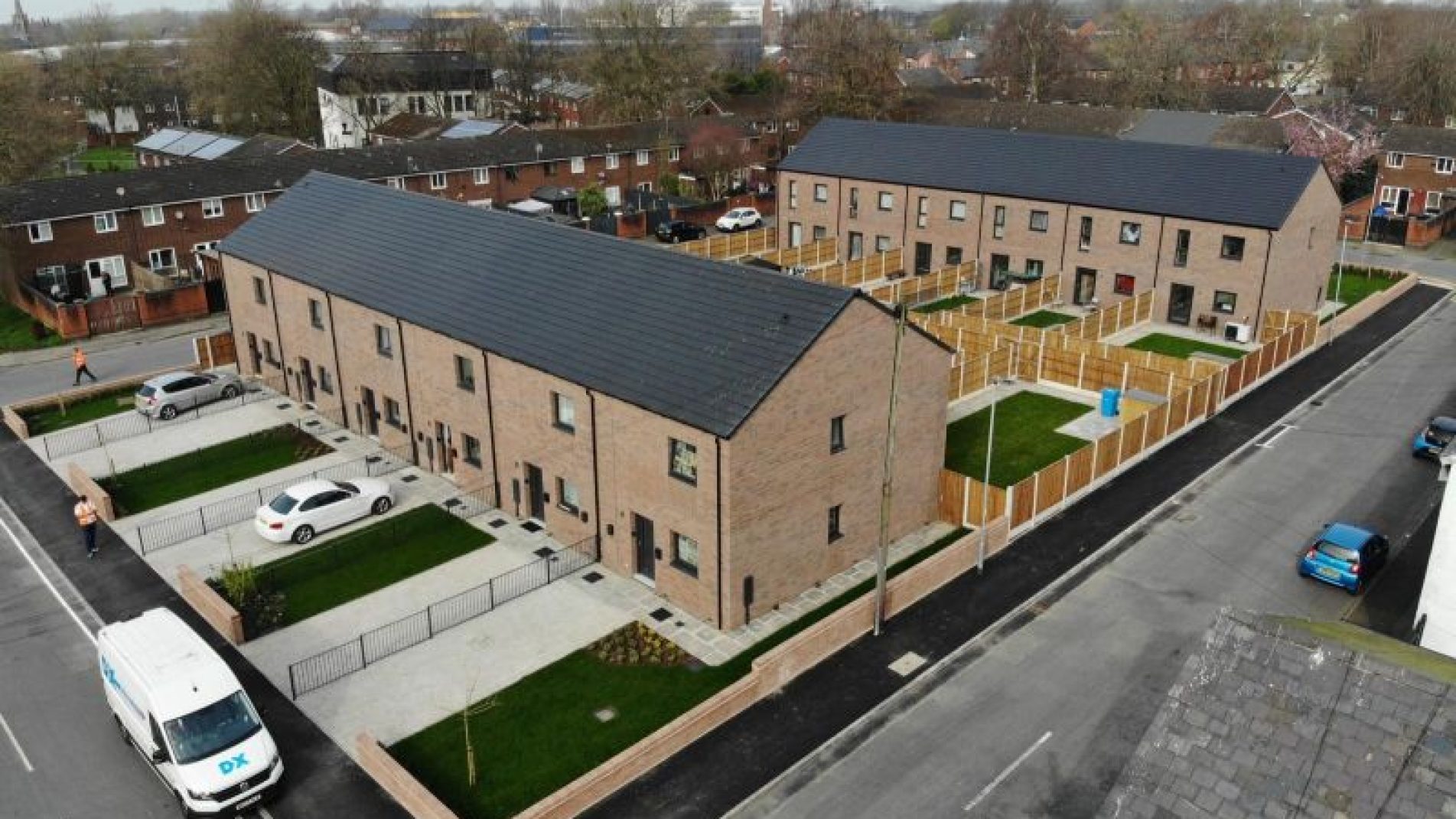
Beyond Compliance: Creating Buildings That Perform for Generations
Why sustainability, retrofit and long-term thinking are becoming central to delivering better projects.
Throughout Poole Dick’s Question Time series, one message has remained consistent. The Northwest has the ambition, the investment and the opportunity to deliver transformational growth. However, if that growth is to leave a legacy, the industry must also think beyond the point of practical completion.
Sustainability was discussed throughout the event, not as a standalone environmental issue, but as a fundamental part of creating buildings and places that continue to perform long after construction has finished.
The conversation demonstrated that successful projects are no longer judged solely on programme, cost or delivery. Increasingly, they are measured by how well they adapt to future demands, support communities and continue to provide value over many decades. That represents an important shift in thinking.
Compliance remains essential, but it should never be the sole objective. The most successful developments are those that balance commercial viability with long-term performance, creating buildings that are efficient to operate, adaptable to changing needs and capable of delivering value throughout their entire lifecycle.
“The decisions we make today will influence buildings for decades”
Peter Bartley
Peter Bartley’s contribution reinforced that sustainability is ultimately about responsibility. Decisions made during feasibility, design and procurement influence how buildings perform for generations. Those early choices affect operational costs, energy efficiency, maintenance requirements, occupant wellbeing and future adaptability.
Once those opportunities have passed, they are often difficult and costly to recover.
The panel also recognised that sustainability cannot be separated from deliverability.
Projects still need to be commercially viable.
They still need to satisfy client objectives.
They still need to be delivered within realistic programmes and budgets.
The challenge is achieving all those ambitions whilst maintaining a clear focus on long-term performance.
“Good sustainability still has to be deliverable”
Angela Mansell
Angela Mansell’s comments reflected one of the strongest themes to emerge from the wider Question Time discussion. Throughout the event, the panel repeatedly
returned to the importance of designing for reality rather than perfection.
That principle applies equally to sustainability. Successful environmental outcomes are not achieved through aspiration alone. They depend upon practical planning, informed decision-making and close collaboration between clients, consultants, contractors and supply chains from the earliest stages of a project.
Planning also has a critical role to play. Rachel Poole highlighted the opportunity to embed sustainable thinking much earlier within regeneration and development strategies. Rather than viewing sustainability as an additional requirement introduced later in the process, it should help shape decisions from the very beginning.
This is particularly important as the Future Homes Standard, retrofit programmes and wider decarbonisation objectives continue to influence how projects are commissioned and delivered across the North West.
“Sustainability should be considered from the earliest stages of every project”
Rachel Poole
The discussion also recognised that one of the industry’s greatest opportunities lies within existing buildings. Whilst new developments remain essential to meeting housing and economic growth targets, retrofit will play an equally important role in improving building performance, reducing carbon emissions and extending the life of valuable assets. Delivering that transformation will require collaboration, innovation and a willingness to embrace
new approaches.
Technology, Modern Methods of Construction and digital tools all have an important role to play, but as highlighted in the previous article, innovation only creates value when it supports better outcomes.
Stewart Grant concluded the discussion by bringing the conversation back to the bigger picture. The industry’s responsibility is not simply to construct buildings. It is to
create places that continue to support people, businesses and communities for many years to come.
“The best projects continue delivering value long after practical completion”
Stewart Grant
That message neatly captured the spirit of the discussion. The Northwest has an exciting opportunity to lead the way in delivering sustainable growth.
Achieving that ambition will require planning that enables development, technology that improves delivery, skills that support innovation and sustainability that creates lasting value. Because the buildings we deliver today will shape the communities, economies and environments of tomorrow.
Creating buildings that perform for generations is no longer simply good practice. It is becoming one of the defining responsibilities of the modern construction industry.
Creating buildings that perform for generations is no longer simply good practice. It is becoming one of the defining responsibilities of the modern construction industry.
The APC in 2026: 10 Top Tips to Stay Ahead
Over the past 12 months, I’ve had the pleasure of supporting successful APC candidates such as James Carnes and Alex Vernon through to the successful…
Learn More
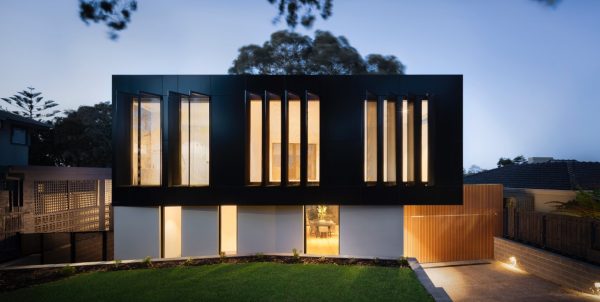
Things to consider when project managing the installation of fully off-site manufactured housing
With a range of experience in the fully off-site manufactured housing sector, we thought it would be useful to provide an overview of our considerations…
Learn More
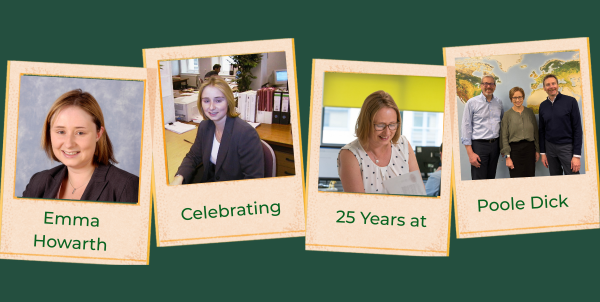
25 Years in Construction Consultancy: Experience, Perspective and People — A Conversation with Emma Howarth
Longevity in construction consultancy reflects more than tenure. It signals accumulated insight, trusted relationships, and a deep understanding of how projects succeed in practice. Over…
Learn More