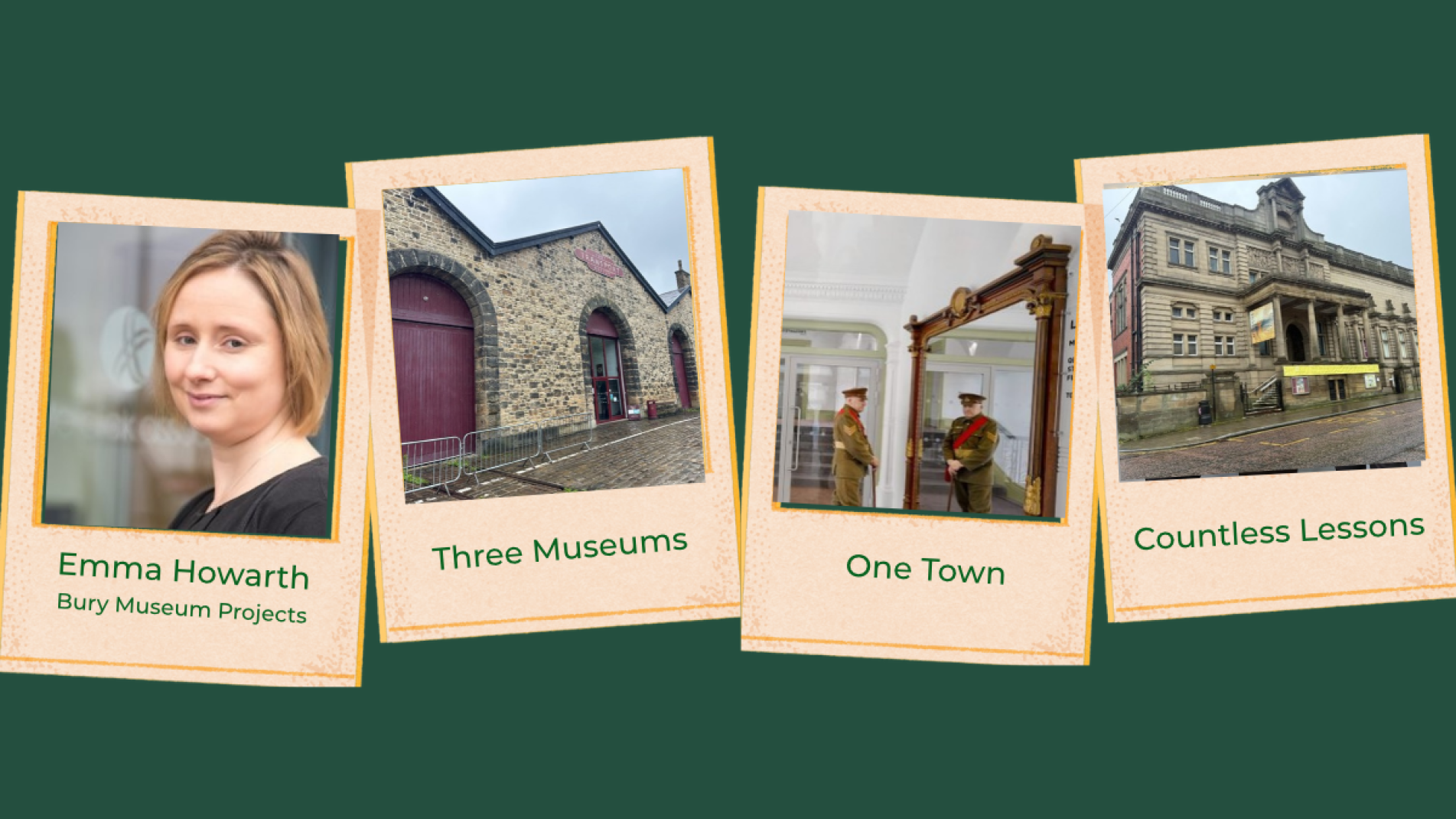
Three Museums, One Town, Countless Lessons
A Quantity Surveyor’s Reflection on Working Across Bury’s Museum Heritage by Emma Howarth
As Quantity Surveyors, we often move from project to project, sector to sector and client to client. Every now and then, however, a group of projects comes along that feels particularly special.
Over the past few years, I have had the opportunity to be involved in work relating to all three of Bury’s museums: The Fusilier Museum, Bury Art Museum and Bury Transport Museum.
The work itself has been varied. It includes a roofing contract at The Fusilier Museum, completed in 2023, a further roofing project that is about to start on site at Bury Art Museum and, most recently, the completion of an insurance reinstatement valuation at Bury Transport Museum.
Each museum tells a different story about the borough’s heritage, culture and identity. Whilst the exhibits within their walls may vary considerably, they share an important purpose: preserving the past and making it accessible to future generations. Having the opportunity to contribute professionally across all three sites has therefore been both a privilege and a personal highlight.
The Challenges of Heritage Projects
Working on heritage and cultural buildings can be very different from delivering a new build development. Existing and historic buildings often bring complexities that are not immediately visible, from ageing structures and materials to conservation considerations and the challenge of introducing modern standards without compromising historic character.
From a Quantity Surveying perspective, this can make early cost certainty more challenging. The full extent of an issue may not always be apparent at the outset, which makes appropriate investigation, contingency planning, risk management and communication particularly important. Understanding where uncertainty exists allows the project team and client to make more informed decisions as the work progresses.
Heritage projects can also require us to think beyond the physical building. Museums may contain important collections and exhibits, remain accessible to visitors and play an active role within their communities. The way works are planned and delivered therefore needs to consider disruption, access and the protection of both the building and what it contains.
On heritage projects, good cost management isn’t simply about keeping expenditure within budget. It is about understanding where investment is needed, managing uncertainty and helping the project team make informed decisions that protect both the building and the client’s objectives.
Three Museums, Three Stories
Although all three projects relate to museum buildings in Bury, each has brought a different perspective to my role as a Quantity Surveyor.
The Fusilier Museum stands as a tribute to the history of the Lancashire Fusiliers and the servicemen and women who have served their country. Our roofing project, completed in 2023, demonstrated the care required when carrying out essential work to an established heritage building. The practical need to maintain and protect the building has to sit alongside an appreciation of what that building represents and the importance of safeguarding it for the future.
Bury Art Museum has long been a cultural landmark within the town, providing a home for art, creativity and education. With the next roofing project preparing to start on site, the focus is currently on the planning and preparation that takes place before physical work begins. It is an important reminder that good project outcomes are influenced considerably by the decisions made before anyone arrives on site, particularly when working with an existing cultural asset.
Bury Transport Museum has provided a very different Quantity Surveying perspective. Rather than construction work, my recent involvement has centred on completing an insurance reinstatement valuation. Reinstatement valuations require consideration of what it could realistically cost to rebuild an asset following a major loss, and heritage buildings can bring particular considerations because of their character, construction and individual features. The museum celebrates the region’s industrial and transport heritage, showcasing some of the engineering achievements that helped shape the local area. Looking at such a building through the lens of reinstatement value provides another reminder of the importance of understanding and protecting distinctive assets before that information is ever needed.
More Than Buildings
One of the most rewarding aspects of working across these projects has been recognising that museums are much more than physical structures. They are community assets, educational resources and places where stories are preserved and shared across generations.
As construction professionals, much of our working day is necessarily focused on budgets, programmes, contracts, specifications and risk. These projects have been a useful reminder of the wider purpose behind those conversations. The decisions made about how a building is maintained, repaired or protected can ultimately contribute to whether important places continue to serve their communities in the years ahead.
There is also something particularly rewarding about applying professional expertise to buildings within your own local area. These are places people recognise, visit and associate with Bury. They contribute to the identity of the town as well as preserving individual aspects of its military, cultural and industrial history.
A Proud Milestone
For me personally, having the opportunity to contribute to projects involving all three museums in Bury, the home of Poole Dick’s head office, has been a particularly proud milestone.
Working on one local heritage landmark would be rewarding. Having now worked across all three has provided a unique perspective on the different challenges involved in caring for the buildings that tell the story of our town.
It has also reinforced something easy to forget when our day-to-day conversations are necessarily focused on costs, programmes and contracts: the decisions we make as construction professionals can help determine how these important places are protected and enjoyed for generations to come.
Heritage buildings inevitably present challenges, but that is also what makes working with them so rewarding. Every building has its own history, its own constraints and its own purpose. Understanding those differences, and helping clients make informed decisions about their future, is an important part of the role.
For me, three museums, three very different assignments and countless lessons have made this a particularly memorable chapter in my work as a Quantity Surveyor at Poole Dick.
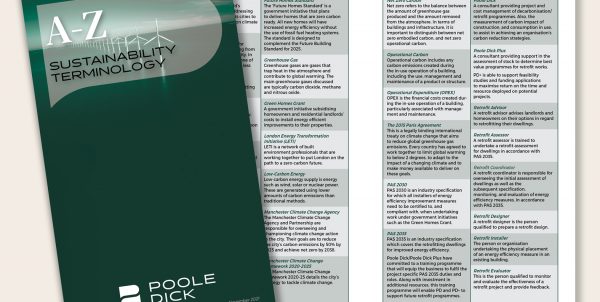
A-Z Sustainability Terminology Handout
Among the handouts that all our guests received at our net zero carbon event was our ‘A-Z Sustainability Terminology’ booklet. A guide, at a glance,…
Learn More

Procurement: Time to Break the Cycle
We all know the system is broken. So why are we still playing the game? At the recent Poole Dick Question Time event, procurement came…
Learn More
Why Good Project Management Often Goes Unnoticed — and Why That Matters
Project management has always been a core part of successful construction delivery, but the context in which it operates has changed significantly. Projects today are…
Learn More