A Decade of Transformation: What the Social and Affordable Homes Programme 2026–2036 Means for Housing Providers and Delivery Partners
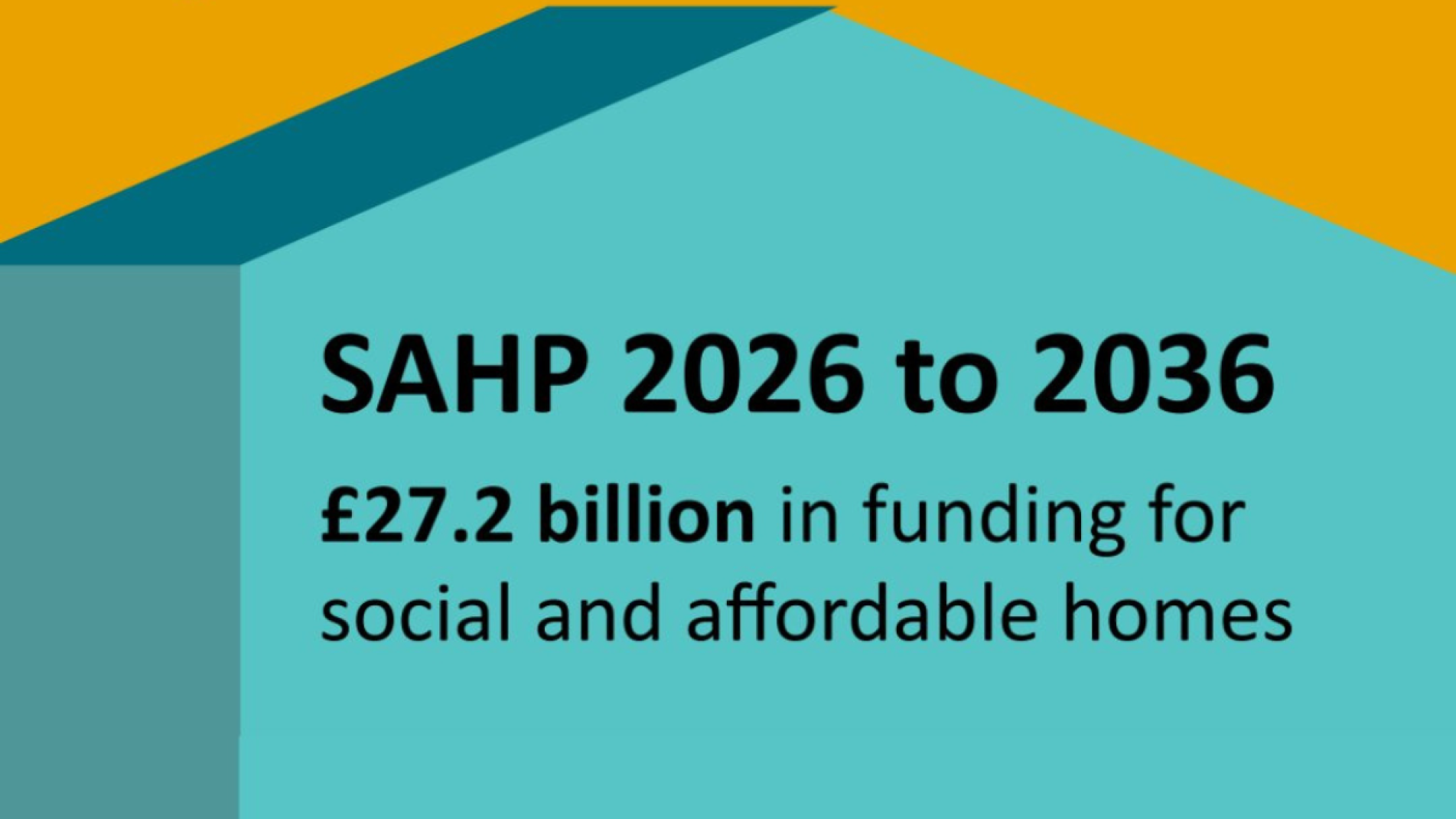
The Social and Affordable Homes Programme (SAHP) 2026–2036 represents one of the most significant shifts in England’s affordable housing policy for more than a decade. As the successor to the Affordable Homes Programme (AHP), the new framework delivers a £39 billion commitment over ten years and sets out a clearer, more focused direction for how affordable housing should be funded, designed and delivered. For housing associations, local authorities, developers and built-environment consultants, SAHP introduces both new opportunities and higher expectations.
A Clearer Policy Direction – Social Rent Takes Centre Stage
At the heart of SAHP is a decisive rebalancing towards Social Rent. A minimum of 60% of all SAHP-funded homes must be delivered as Social Rent, signalling a major shift after several years in which intermediate and affordable ownership products dominated national programmes. This reflects growing recognition of the widening affordability gap, particularly in high-pressure urban and suburban areas.
The return to Social Rent as a core priority is reinforced by a 10-year rent settlement of CPI +1%, designed to give registered providers long-term certainty. This stability is crucial for planning larger programmes, enabling multi-phase developments, and securing land and funding strategies that extend beyond the traditional five-year policy cycle.
Chris Heavey, Associate – Poole Dick comments:
“The return to Social Rent as the core delivery priority will place fresh pressure on viability. Robust cost planning and risk management will be essential, and that’s where early consultant involvement adds real value for clients.”
Greater Regional Influence Through EMSAs
A notable evolution under SAHP is the formal involvement of the six Established Mayoral Strategic Authorities (EMSAs). These bodies, including Greater Manchester, West Midlands, South Yorkshire and the North East, will help set regional priorities, provide strategic alignment, and coordinate investment decisions alongside Homes England.
More Structured and Accessible Funding Routes
SAHP introduces two broad funding pathways, each designed to support different organisational needs and delivery scales:
Continuous Market Engagement (CME) – a flexible route for scheme-by-scheme applications, with early completions prioritised.
Strategic Partnerships – now expanded into five categories, creating clearer pathways for organisations of all sizes to access long-term, large-scale grant funding.
A Stronger Focus on Quality, Sustainability and Inclusive Design
Quality expectations under SAHP are significantly enhanced. Homes England now requires evidence that schemes have been designed with strong accessibility, sustainability, Building Regulations compliance, inclusive design and measurable social value. Although prescriptive MMC targets have been removed, providers must demonstrate durable, efficient and value-focused construction approaches.
Funding Eligibility – Tighter, Clearer Rules
SAHP funding can support new-build homes, specialist housing, rural schemes, community-led developments, traveller pitches and regeneration where there is a net gain. A major change is the prohibition of Section 106 acquisitions, ensuring grant funding delivers truly additional affordable homes.
Implications for Delivery Partners
Development teams and consultants will need to strengthen cost modelling, design assurance, procurement strategies, governance and long-term programme management. Given the longer delivery horizon, starting 2036 and completions to 2039, robust forecasting and risk planning will be essential.
Conclusion
SAHP marks a long-awaited step towards stability, clarity and investment in Social Rent delivery. With higher expectations across design, governance and sustainability, organisations must prepare now. Those that build strong partnerships, align regionally and develop resilient pipelines will be best placed to deliver the next decade of affordable housing.
For further information or to discuss any points in more detail please contact Chris Heavey – C.Heavey@pooledick.co.uk

Why Good Project Management Often Goes Unnoticed — and Why That Matters
Project management has always been a core part of successful construction delivery, but the context in which it operates has changed significantly. Projects today are…
Learn More

Inform, Educate, Inspire – the ‘Poole Dick Academy’
“Do you find yourself sitting on the sofa in the evening, TV remote in hand, flicking through the channels trying to decide what to watch?”…
Learn More

25 Years in Construction Consultancy: Experience, Perspective and People — A Conversation with Emma Howarth
Longevity in construction consultancy reflects more than tenure. It signals accumulated insight, trusted relationships, and a deep understanding of how projects succeed in practice. Over…
Learn More